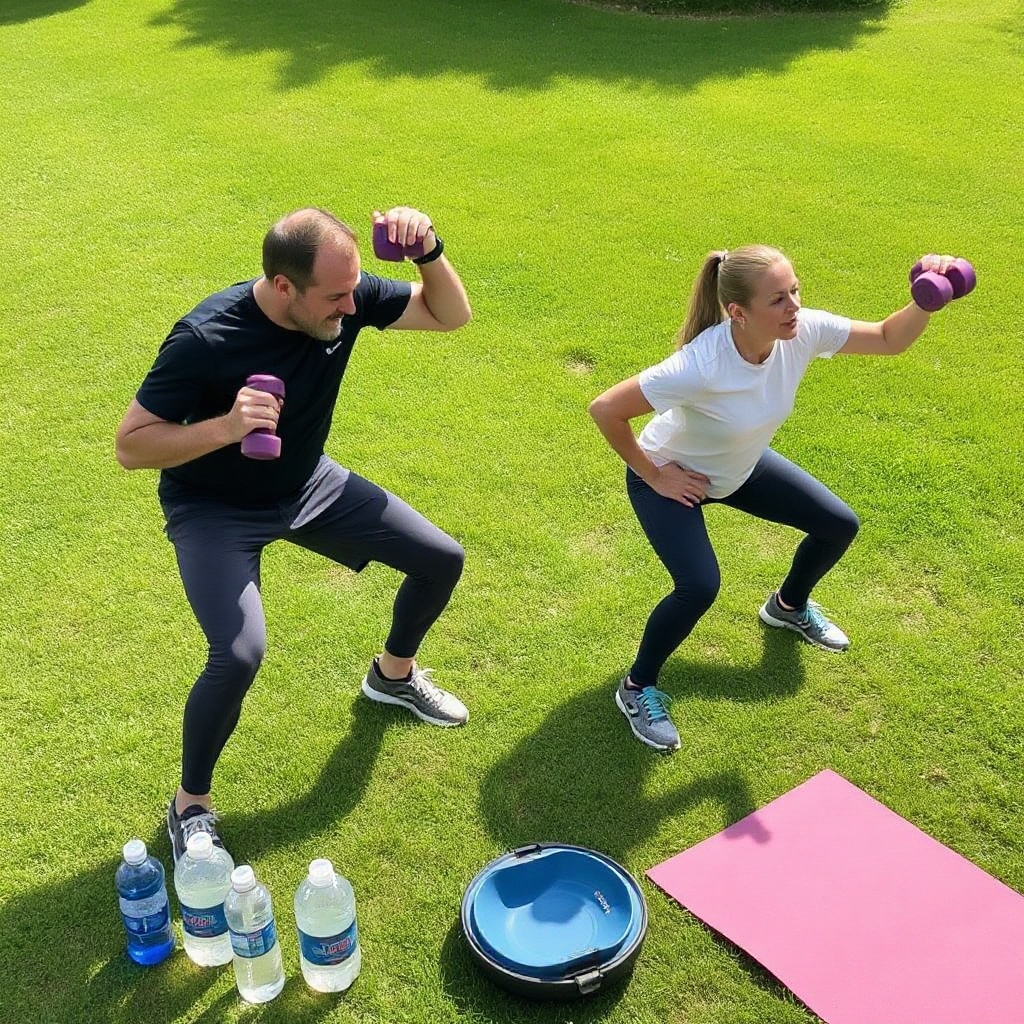
Regular physical activity supports heart health, mood, strength, and better sleep. Aim for at least 150 minutes of moderate activity per week plus two sessions of muscle-strengthening activities, choose exercises you enjoy, start gradually, and consult your healthcare provider before starting a new intense routine if you have chronic conditions.

Maintaining overall health means balancing nutrition, sleep, hydration, stress management, and regular preventive care like screenings and vaccinations.
Regular physical activity supports heart and lung health, builds strength and flexibility, helps manage weight, boosts energy, and improves mood and cognitive function.
Aim for at least 150 minutes of moderate aerobic activity or 75 minutes of vigorous activity per week, plus two days of muscle-strengthening exercises; choose activities you enjoy and increase intensity gradually.
Prioritize safety: warm up, use proper technique, allow rest and recovery, and check with a healthcare provider before starting a new routine if you have chronic conditions or concerns.
Aim for a mix of moderate aerobic activity (like brisk walking or cycling) and regular short movement breaks. Even short, frequent walks, taking the stairs, or standing and stretching every hour helps circulation, energy, and mood.
Include two or more days per week of muscle-strengthening activities—bodyweight exercises, resistance bands, or light weights—and add stretching or yoga to improve flexibility and reduce injury risk.
Pair activity with a varied diet, adequate hydration, and consistent sleep. These basics help recovery, sustain energy for exercise, and support long-term health without relying on quick fixes or strict rules.
Choose attainable, measurable goals (for example, minutes of activity per week or number of strength sessions). Track progress in a journal or app, celebrate small wins, and adjust your plan as your fitness and schedule change.
Aim to be active most days of the week. A common guideline is about 150 minutes of moderate activity or 75 minutes of vigorous activity per week, supplemented by everyday movement like walking, taking stairs, or short activity breaks.
Combine aerobic exercises (walking, cycling, swimming) with strength training (bodyweight, resistance bands, weights) and flexibility work (stretching, yoga). Each type supports different aspects of health—heart fitness, muscle strength, and mobility.
Begin with manageable sessions and increase duration or intensity over time to reduce injury risk and build sustainable habits. Consistency matters more than intensity at first—short, regular workouts beat sporadic extremes.
Good rest, adequate fluids, and balanced meals help recovery and performance. Focus on whole foods, enough protein for muscle repair, and regular hydration, and aim for consistent sleep to support overall health.
Pay attention to pain, persistent fatigue, or unusual symptoms and adjust activity accordingly. If you have chronic conditions, are recovering from injury, or are unsure how to start, consult a healthcare provider or certified fitness professional for personalized advice.